As most people know, infections caused by a bacterium are different from those caused by a virus. Bacteria are living organisms that can grow and reproduce. Bacterial infections can be countered by a range of antibiotics. But lately we have begun to see some bacteria evolving to become resistant to antibiotics. Antibiotics have no impact on a virus.
A virus is a microorganism that is smaller than a bacterium and it cannot grow or reproduce apart from a living cell. A virus is not really alive. A virus particle is nothing but a fragment of DNA in a protective coat. The virus comes in contact with a cell, attaches itself to the cell wall and injects its DNA (and perhaps a few enzymes) into the cell. The DNA uses the machinery inside the living cell to reproduce new virus particles.
The Immune System
Viral and bacterial infections are by far the most common causes of illness for most people. They cause things like colds, influenza, measles, mumps, malaria, AIDS and so on. The job of your immune system is to protect your body from these infections. The immune system protects you in three different ways:
- It creates a barrier that prevents bacteria and viruses from entering your body.
- If a bacteria or virus does get into the body, the immune system tries to detect and eliminate it before it can make itself at home and reproduce.
- If the bacteria or virus is able to reproduce and start causing problems, your immune system is in charge of eliminating it.
There are many diseases that, if you catch them once, you will never catch again. Measles is a good example. What happens with these diseases is that they make it into your body and start reproducing. The immune system gears up to eliminate them. It produces antibodies designed to eliminate the specific disease.
A vaccine is a weakened form of a disease. It is either a killed form of the disease, or it is a similar but less virulent strain. Once inside your body your immune system mounts the same defence as it would for the real thing, but because the disease is different or weaker you get few or no symptoms of the disease. Later, when the real disease invades your body, your body is able to eliminate it immediately because the antibodies are already there.
In the absence of a vaccine administered in advance, the body is largely dependent on the strength of its immune system to fight off an initial viral attack. There is nothing similar to an antibiotic to help the way there is for a bacterial infection.
Key Health Resilience Indicator
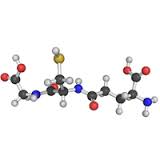
Glutathione is a tripeptide produced on demand in each cell in the body. Glutathione levels tend to be lower in the elderly and in those suffering health challenges. In these trying times, this is a significant fact.
Glutathione is necessary for the proper functioning of the immune system. If glutathione levels are low, the body may be sluggish in trying to defend itself against a bacterial or viral attack.
Glutathione is key to keeping you healthy overall. Not only is glutathione vital for the immune system, it plays a variety of other important roles in the body as well. (Refer to the article Why Does Your Health Depend on Glutathione). They include:
- Master antioxidant in each cell
- Only antioxidant that can recycle itself
- Helps recycle certain other antioxidants
- Primary synthesizing agent for other antioxidants
- Critical for the production of ATP to provide energy to each cell
- Major synthesizing agent to allow proteins to be used by the body
- Major anti-inflammatory in each cell
- Master detoxifier of chemical toxins in each cell
- Primary chelator of heavy metals, removing them from the body
- Transforms hemoglobin into its reduced state, enabling it to carry oxygen and transport that to the cells
- Major protector of mitochondrial DNA against radiation damage
- Enhances the body’s immune system
- Enhances the body’s ability to heal wounds
- Lowers “bad cholesterol” by lowering LDL, Lp(a) and oxidised lipid concentrations
The level of glutathione is a key indicator of the body’s resilience against health threats. Raising blood serum glutathione levels is helpful; but what is critical is raising intracellular glutathione levels, particularly in the organs.
Resources: For more detailed information about the immune system look at How Your Immune System Works.
#immunesystem #glutathione #wellness #health #holistichealth #healthscience #socialdistancing