Need a Drink?

Let me tell you how I became re-introduced to something I knew, but apparently had forgotten. It was the early part of 2022. More and more I was experiencing periods of lethargy – a lack of energy and mental focus as well as a few other symptoms, including occasional low grade headaches. And this despite a variety of supplements I was taking that should have countered all that.

At first I thought it might be a reaction to a vaccine booster that I had in January. But as time passed the issues did not fade. Then I looked at my sleep patterns and tried to get to bed earlier as well as sleep longer. But according to my wrist-watch health monitor, my periods of sleep were uneven and restless. I did not awaken refreshed. I was getting frustrated.

I had an appointment in early June with my cardiologist. It was to include an echo-cardiogram and a treadmill stress test. I hoped my symptoms were not heart related. Since the beginning of the pandemic two years earlier I had not been to the gym for regular workouts. So I decided in late March to institute a program of walking to build up my stamina. With hiking sticks in hand I began – and quickly realized I would have to build up the distance slowly. Clearly my fitness had deteriorated.

In May I started a program of recording my blood pressure frequently to give to the doctor. And as part of that process I decided it would be interesting to see what the BP readings were before and after my walks. After a few such readings, I observed what I thought was an anomaly. Often the BP reading after the walk was lower that the reading before I headed out. I thought it should be the reverse.

My visit to my cardiologist went well. He was really pleased with my heart health based on both the ultrasound images and the stress test results. He was also pleased with the BP readings I gave him. I was relieved. While we were talking, I asked him about what I thought was a BP reading anomaly. He agreed it was unusual. He thought for a moment and speculated about a couple of things it could be. And then at the end he said “or it could be dehydration.” Well I tucked that one away for further thought.

I should have paid more attention to generally known healthy living advice in the first instance rather than assuming the observed symptoms were a result of an ailment and just trying to “power through.”

I undertook a little casual research and thought back to things I already knew about hydration (but clearly had forgotten). Whenever I felt a little peckish I would have something small to eat. But with my new frame of reference I recalled that a feeling of slight hunger can be an early indication of dehydration. So whenever I had that feeling, I now took a glass of water. About 20 minutes later I noticed the hunger had disappeared. Another symptom was a mild headache. A glass of water and most times the headache was gone after a half hour.

Frequently, I would get up in the middle of the night to relieve bladder pressure. I avoided taking a drink at that time because I was hoping not have to get up again later in the night. After my revelation, I consumed a glass of water before returning to bed. Yes I did have to get up again before morning. But the thing is that when I got up for the day I felt refreshed. And my sleep pattern monitor showed an uninterrupted sleep between bathroom visits.

I told my sister about my revelations and her response was, “Well of course.” She has something of a healthy eating focus for her own life. During a later conversation I told her my walking was paying dividends. My strides while walking were becoming much more fluid. Her response this time: “Duh!! Your muscles are now getting the water they need to function properly.” Do you have any idea how frustrating it is when your ‘kid sister’ points out your stupidity?

So how might you benefit from my challenge? Look at this set of observed issues and ask yourself whether dehydration could be the source of the problem.

  • Feeling a little hungry? Need a drink?
  • Minor headache? Need a drink?
  • Having difficulty concentrating? Need a drink?
  • Energy levels down? Need a drink?
  • Body movements not as fluid as usual? Need a drink?
  • Restless sleep? Need a drink?
  • Urine has the appearance of tea? Need a drink?

Pay attention to your body. Sometimes it gives you subtle messages. By the time it hits you over the head by you actively feeling thirsty or your urine being the color of steeped tea, you are ALREADY dehydrated!

#health #wellness

Viral Infections and Immunity

As most people know, infections caused by a bacterium are different from those caused by a virus. Bacteria are living organisms that can grow and reproduce. Bacterial infections can be countered by a range of antibiotics. But lately we have begun to see some bacteria evolving to become resistant to antibiotics. Antibiotics have no impact on a virus.

A virus is a microorganism that is smaller than a bacterium and it cannot grow or reproduce apart from a living cell. A virus is not really alive. A virus particle is nothing but a fragment of DNA in a protective coat. The virus comes in contact with a cell, attaches itself to the cell wall and injects its DNA (and perhaps a few enzymes) into the cell. The DNA uses the machinery inside the living cell to reproduce new virus particles.

The Immune System

Viral and bacterial infections are by far the most common causes of illness for most people. They cause things like colds, influenza, measles, mumps, malaria, AIDS and so on. The job of your immune system is to protect your body from these infections. The immune system protects you in three different ways:

  • It creates a barrier that prevents bacteria and viruses from entering your body.
  • If a bacteria or virus does get into the body, the immune system tries to detect and eliminate it before it can make itself at home and reproduce.
  • If the bacteria or virus is able to reproduce and start causing problems, your immune system is in charge of eliminating it.

There are many diseases that, if you catch them once, you will never catch again. Measles is a good example. What happens with these diseases is that they make it into your body and start reproducing. The immune system gears up to eliminate them. It produces antibodies designed to eliminate the specific disease.

A vaccine is a weakened form of a disease. It is either a killed form of the disease, or it is a similar but less virulent strain. Once inside your body your immune system mounts the same defence as it would for the real thing, but because the disease is different or weaker you get few or no symptoms of the disease. Later, when the real disease invades your body, your body is able to eliminate it immediately because the antibodies are already there.

In the absence of a vaccine administered in advance, the body is largely dependent on the strength of its immune system to fight off an initial viral attack. There is nothing similar to an antibiotic to help the way there is for a bacterial infection.

Key Health Resilience Indicator

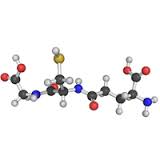
Glutathione is a tripeptide produced on demand in each cell in the body. Glutathione levels tend to be lower in the elderly and in those suffering health challenges. In these trying times, this is a significant fact.

Glutathione is necessary for the proper functioning of the immune system. If glutathione levels are low, the body may be sluggish in trying to defend itself against a bacterial or viral attack.

Glutathione is key to keeping you healthy overall. Not only is glutathione vital for the immune system, it plays a variety of other important roles in the body as well. (Refer to the article Why Does Your Health Depend on Glutathione). They include:

  • Master antioxidant in each cell
  • Only antioxidant that can recycle itself
  • Helps recycle certain other antioxidants
  • Primary synthesizing agent for other antioxidants
  • Critical for the production of ATP to provide energy to each cell
  • Major synthesizing agent to allow proteins to be used by the body
  • Major anti-inflammatory in each cell
  • Master detoxifier of chemical toxins in each cell
  • Primary chelator of heavy metals, removing them from the body
  • Transforms hemoglobin into its reduced state, enabling it to carry oxygen and transport that to the cells
  • Major protector of mitochondrial DNA against radiation damage
  • Enhances the body’s immune system
  • Enhances the body’s ability to heal wounds
  • Lowers “bad cholesterol” by lowering LDL, Lp(a) and oxidised lipid concentrations

The level of glutathione is a key indicator of the body’s resilience against health threats. Raising blood serum glutathione levels is helpful; but what is critical is raising intracellular glutathione levels, particularly in the organs.

Resources: For more detailed information about the immune system look at How Your Immune System Works.

#immunesystem #glutathione #wellness #health #holistichealth #healthscience #socialdistancing